
Greater Philadelphia Community Guide
Understand what Philadelphia means for your real estate decision.
Philadelphia is one city and one county, but it does not behave like one market. Property types, ownership costs, transit access, and market activity can change from one neighborhood to the next. Use this guide to understand which parts of the city matter to the decision in front of you.
Philadelphia at a Glance
Start with the part of Philadelphia connected to your decision.
Philadelphia is a consolidated city and county, so the city and the county share the same boundary. Inside it are dozens of neighborhoods that range from dense rowhome blocks near Center City to tree-lined streets in the Northwest and larger lots in the Far Northeast.
Property type, access, ownership costs, buyer demand, and current inventory can change enough from one neighborhood to the next to affect how a property is bought, sold, held, or evaluated.
Philadelphia Overview
- Government
- City and County of Philadelphia (consolidated)
- Municipalities
- 1 city, many distinct neighborhoods
- Primary Corridors
- I-95, I-76 (Schuylkill Expressway), I-676 (Vine Street Expressway), US-1 (Roosevelt Boulevard)
- Rail Transit
- SEPTA Metro (L, B, and trolley lines), SEPTA Regional Rail, PATCO to New Jersey, Amtrak at 30th Street Station
- River Bridges
- Ben Franklin, Walt Whitman, Betsy Ross & Tacony-Palmyra Bridges
- Adjacent Areas
- Bucks, Montgomery, and Delaware Counties in Pennsylvania; Camden, Burlington, and Gloucester Counties in New Jersey
Access and Daily Use
See how access changes the way a property works.
Rail lines, highways, bridges, and neighborhood commercial corridors shape daily routines, buyer interest, tenant demand, and how a property is positioned in the market.
SEPTA Metro and Regional Rail
SEPTA's Metro system includes the L (Market-Frankford Line), the B (Broad Street Line), and the trolley network, with Regional Rail lines reaching Northwest, Northeast, and West Philadelphia neighborhoods. How close a property sits to a station can matter to someone comparing a commute, a seller positioning a home, or an investor evaluating tenant demand.
PATCO and the bridges to New Jersey
PATCO runs from Center City across the Ben Franklin Bridge into Camden County, and the Ben Franklin, Walt Whitman, Betsy Ross, and Tacony-Palmyra Bridges connect different parts of the city with South Jersey. For buyers and sellers weighing both sides of the river, these connections often shape the comparison.
Highways and city corridors
I-95, the Schuylkill Expressway (I-76), the Vine Street Expressway (I-676), and Roosevelt Boulevard (US-1) carry most of the city's regional traffic. Their value depends on the specific property and the places someone needs to reach most often.
Current Market
See what the Philadelphia market looks like right now.
Current listings and market data help show where inventory is concentrated, how properties are positioned, and how activity differs across the city. Citywide numbers are a starting point, not a substitute for comparing the neighborhood and property involved.
Current Philadelphia Market Activity
Review active and coming-soon listings and current county-level market indicators from Bright MLS through Buying Buddy.
Active & Coming Soon Properties
See where properties are available now.
Explore current residential listings across Philadelphia, then use the local context on this page to understand what the map alone cannot tell you.
Property Patterns
Know where different property types are concentrated.
Philadelphia includes rowhomes, twins, single-family houses, condominiums, small multifamily buildings, and mixed-use properties. Those choices are not distributed evenly across the city.
Rowhome neighborhoods near Center City
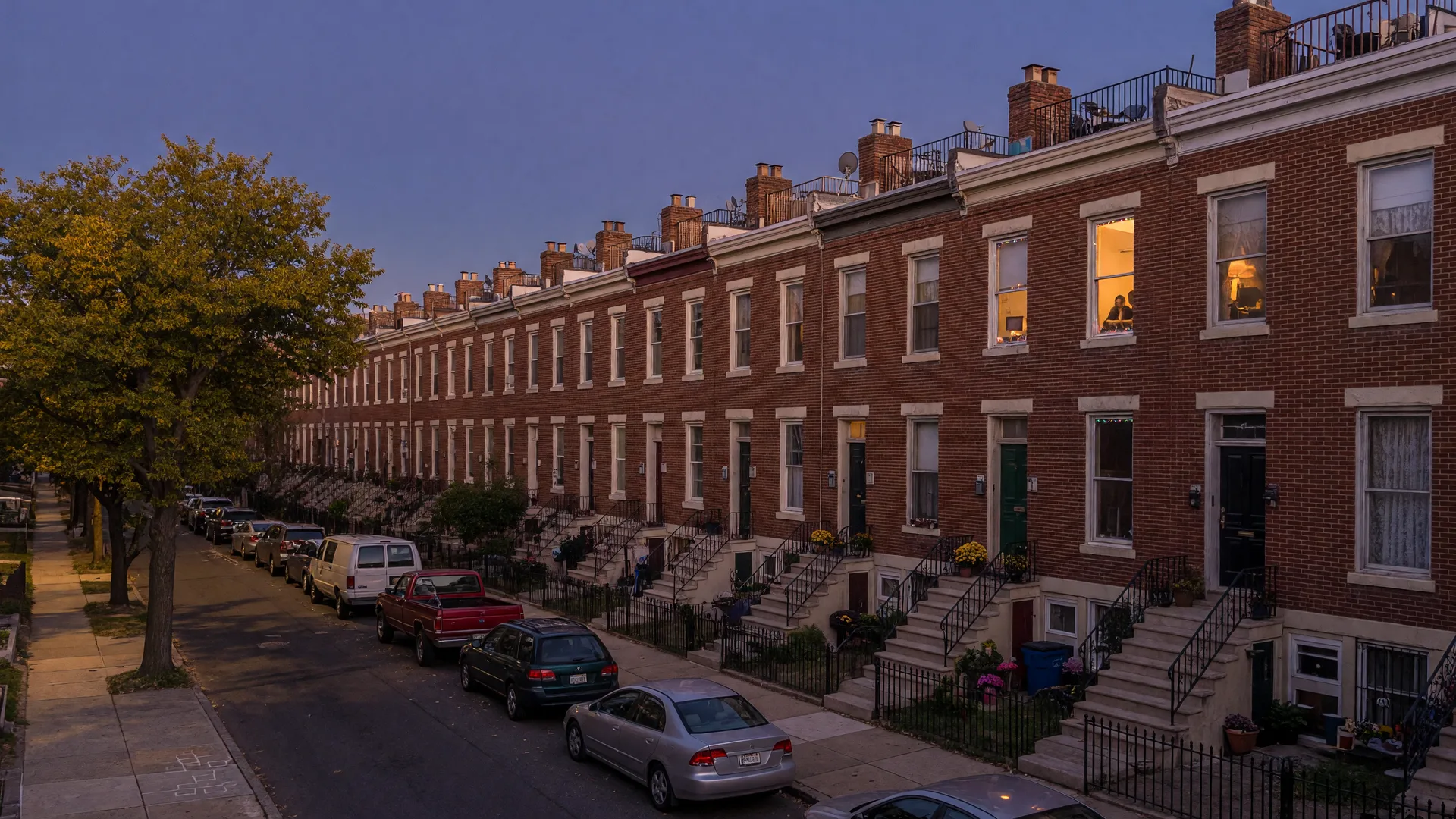
South Philadelphia, the River Wards, and the neighborhoods around Center City are built largely on attached rowhomes, many on small lots, along with converted multi-unit buildings and newer infill construction.
Twins and singles in the Northeast and Northwest
Parts of Northeast Philadelphia and the Northwest include more twin and single-family housing, larger lots in many locations, and quieter residential streets farther from the city center.
Condominiums and mixed-use corridors
Center City, University City, and the riverfront include high-rise and mid-rise condominiums, while commercial corridors across the city combine storefronts with apartments above.
Local Communities
Compare the neighborhoods tied to your decision.
These areas represent different property, access, and market patterns across Philadelphia. Use them as starting points for a closer comparison, not as rankings.
Center City
The downtown core, including Rittenhouse Square and Washington Square, with condominiums, historic rowhomes, mixed-use buildings, and access to SEPTA Metro, Regional Rail, and PATCO.
Fishtown and Northern Liberties
River Wards neighborhoods along the Frankford Avenue and Girard Avenue corridors, with older rowhomes, newer infill construction, and access to the L.
South Philadelphia
A large area of attached rowhomes and neighborhood commercial streets such as East Passyunk Avenue, with access to the B along Broad Street.
University City
West Philadelphia neighborhoods around the University of Pennsylvania and Drexel University, with Victorian twins, apartments, and access to the L, trolley lines, and 30th Street Station.
Manayunk and Roxborough
Northwest neighborhoods along Main Street and Ridge Avenue, with hillside rowhomes, twins, and single-family homes, the Schuylkill River Trail, and Regional Rail access.
Chestnut Hill and Mount Airy
Northwest neighborhoods along the Germantown Avenue corridor, with stone single-family homes, twins, tree-lined streets, and Regional Rail service.
Northeast Philadelphia
A large area along Roosevelt Boulevard with rowhomes, twins, single-family homes, and larger lots in many locations, plus Regional Rail and major roadway access.
Understand the tradeoffs before you narrow the map.
Transit-connected neighborhoods
Neighborhoods near the L, the B, Regional Rail, or PATCO can offer walkable daily routines and established commercial corridors. The tradeoff may include smaller lots, older building systems, limited parking, and shared walls.
Outer neighborhoods
Parts of the Northeast and Northwest offer more twin and single-family housing and more space. The specific block and property may matter more than the neighborhood name alone.
Ownership costs remain property-specific
Philadelphia uses one Real Estate Tax rate across the city, so the assessed value drives the bill. Owner-occupants may qualify for the Homestead Exemption, which takes $100,000 off a home's taxable value. Some newer construction carries a temporary tax abatement that ends or phases out over time, so confirm the abatement status and end date on the property record. At closing, the city and state realty transfer taxes together total 4.578% of the price (3.578% city plus 1% state, as of July 1, 2025), which can change both a seller's net and a buyer's cash to close. Compare the actual tax bill, transfer tax, association fees when applicable, insurance, utilities, condition, and expected maintenance instead of relying on a citywide assumption.
Your Next Step
Choose the next step that fits the decision in front of you.
The same Philadelphia information can matter differently depending on the property, the goal, and the decision being considered.
Understand how your property fits its local market.
Review nearby competition, likely buyer response, property condition, and pricing before deciding whether or how to sell.
Explore Selling OptionsFocus your search on the parts of Philadelphia that fit.
Compare property type, ownership costs, access, and current inventory before narrowing the map.
Explore Buyer ServicesSee whether the property supports the strategy.
Evaluate rent assumptions, property type, location, carrying costs, condition, and current market activity before you commit.
Visit Investor HubLet's talk through what Philadelphia means for your decision.
We'll help you compare the local market, property options, ownership costs, and tradeoffs tied to the property or goal in front of you.